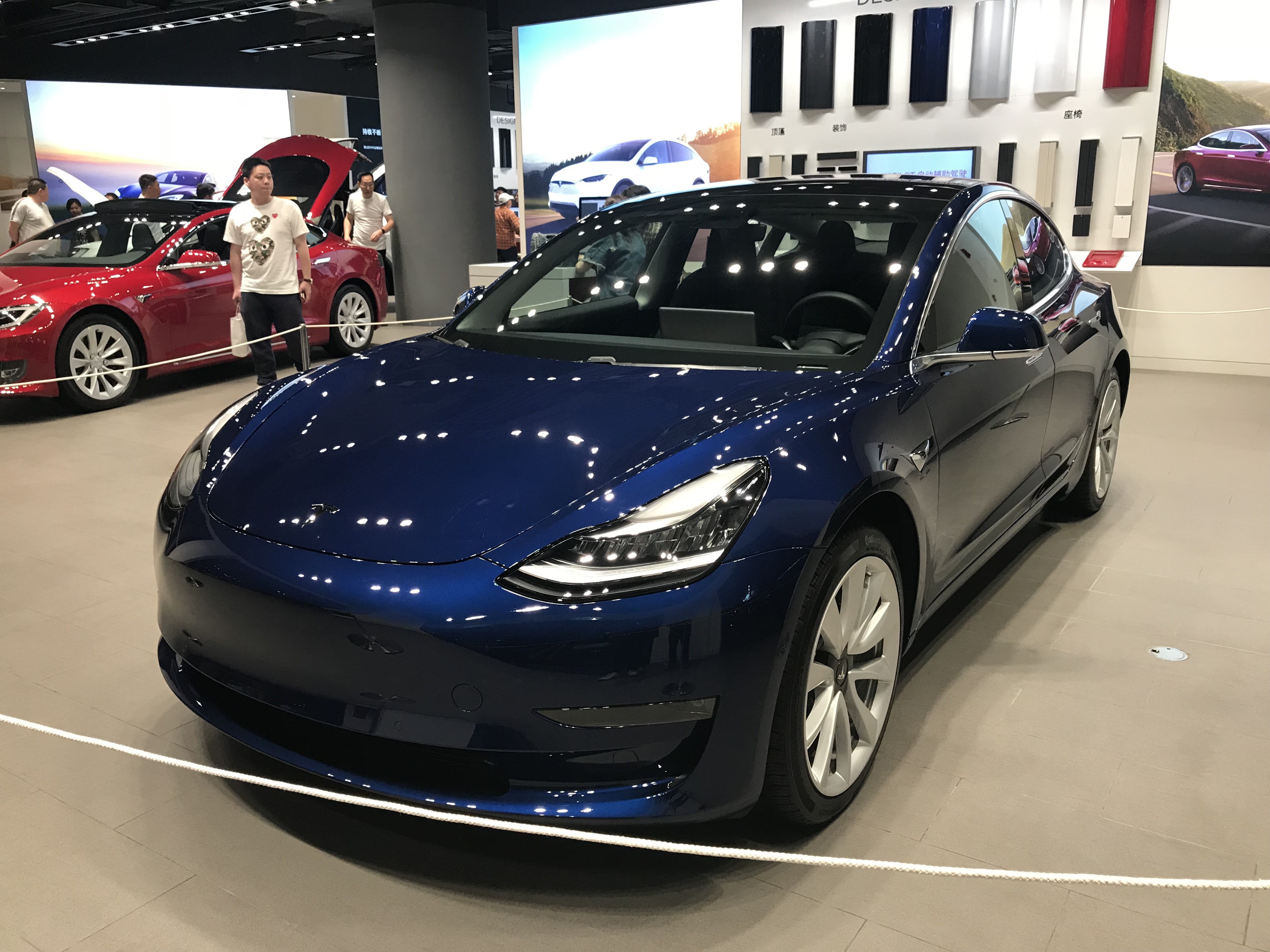
For most EV owners in Poland, home charging is where the majority of charging actually happens. Public infrastructure is useful for topping up on longer trips, but the convenience and cost advantage of overnight home charging — using off-peak electricity tariffs — is significant. This guide covers the practical steps involved in going from purchasing an electric car to having a dedicated wallbox working in your garage or on your property.
Why a dedicated wallbox matters
Many new EV owners start by plugging into a standard Schuko (CEE 7/4) household socket. This works, but a regular 230 V socket typically delivers around 2.3 kW — meaning a 50 kWh battery takes over 20 hours to charge from near-empty. A 7.4 kW single-phase wallbox cuts that to under 7 hours. A 11 kW three-phase wallbox brings it to around 5 hours for the same battery.
There is also a safety consideration. Sustained 2.3 kW draw through a standard household socket and extension lead is not what domestic wiring is designed for in older Polish housing. A dedicated wallbox installation includes a separate circuit breaker and is wired correctly for the load.
Types of home chargers
| Type | Power | Typical charge time (50 kWh) | Notes |
|---|---|---|---|
| Schuko socket (Mode 2) | 2.3 kW | ~22 hours | No installation needed; slow and not ideal for regular use |
| Single-phase wallbox (Mode 3) | 7.4 kW | ~7 hours | Most common home installation in Poland; requires single-phase supply |
| Three-phase wallbox (Mode 3) | 11 kW | ~5 hours | Requires three-phase supply; more common in detached houses |
| Three-phase wallbox (Mode 3) | 22 kW | ~2.5 hours | Requires 22 kW capability in the car's onboard charger — rare in current BEVs |
The limiting factor is often the car's onboard charger, not the wallbox. Many popular EVs — including the Volkswagen ID.3 base model and Dacia Spring — have an onboard AC charger limited to 7.4 kW or even 3.7 kW. Installing an 11 kW wallbox will not speed up charging for these vehicles; they simply draw what their onboard charger can accept.

Electrical prerequisites
Before selecting a wallbox, the electrical situation at your property needs to be assessed:
- Single-phase vs. three-phase supply: Most apartments in Polish multi-family buildings receive a single-phase (230 V) supply, which limits home charging to 7.4 kW. Detached houses often have a three-phase (400 V) supply, enabling 11 kW or 22 kW wallboxes.
- Main fuse rating: Adding a 7.4 kW charger draws about 32 A. If your main fuse is already at its limit due to other loads (electric heating, heat pumps), an upgrade may be needed.
- Cable run length: A long cable run from the distribution board to the parking space increases the cost of installation and may require thicker cable to avoid excessive voltage drop.
A licensed electrician (uprawniony elektryk) should assess the existing installation before any wallbox is ordered. In Poland, this assessment is usually offered free of charge by wallbox installers who partner with manufacturers.
Permit requirements
For a wallbox installation at a single-family house, no building permit (pozwolenie na budowę) is generally required, as the device is treated as electrical equipment rather than a structural change. The installation must be carried out by a qualified electrician with SEP certification (Stowarzyszenie Elektryków Polskich), which is a legal requirement under Polish electrical regulation.
For apartment owners wanting to install a wallbox in a shared underground car park, the situation is more complex. Approval from the housing cooperative or building management company (wspólnota mieszkaniowa) is required. Some cooperatives have introduced building-wide charging solutions; others require individual unit owners to negotiate access to a metered circuit in the parking area.
The Polish government's Mój Elektryk subsidy programme includes provisions for home charging installation costs. Check the current conditions of the programme through the National Fund for Environmental Protection and Water Management (NFOŚiGW), as the scheme's terms are updated periodically.
What a standard installation costs
Costs in Poland as of early 2025, excluding VAT:
| Component | Approximate cost (PLN) |
|---|---|
| Basic 7.4 kW wallbox (single-phase) | 1,500 – 3,500 |
| Smart wallbox with app/scheduling | 3,000 – 6,000 |
| Installation labour (straightforward) | 400 – 800 |
| Cable and conduit materials | 200 – 600 |
| Distribution board modification | 300 – 700 |
| Typical total (basic setup) | 2,500 – 5,500 |
More complex installations — longer cable runs, underground car parks, panel upgrades — can push total costs to 8,000–12,000 PLN. The Mój Elektryk programme subsidises part of this cost for eligible buyers.
Choosing a wallbox
The market in Poland includes devices from international brands (Wallbox, ABB, Webasto, KEBA, EO Charging) as well as from Polish-operated distributors. Key factors to consider:
- Power output: Match the wallbox's maximum output to what your car can actually accept. A 7.4 kW unit is sufficient for most current BEVs.
- Smart features: Scheduled charging (to use cheaper overnight electricity tariffs), load balancing (to prevent overloading the household circuit), and solar integration are offered by mid-range and premium devices.
- Cable type: Some wallboxes have a permanently attached Type 2 cable (tethered); others have a socket into which you plug your own cable. Tethered is more convenient; socketed is more flexible if you charge multiple vehicles.
- Warranty: Standard warranties run 2–3 years. Some manufacturers offer extended coverage on registration.

Energy tariffs for home charging
Polish electricity distributors — including PGE, Tauron, Enea, and Energa — offer standard household tariffs (G11, G12, G12w). The G12 tariff provides a cheaper overnight rate (typically 22:00–06:00), which is particularly useful for EV owners. With a smart wallbox, charging can be scheduled to start automatically during the cheaper window.
The difference between peak and off-peak G12 rates in Poland as of early 2025 is approximately 0.20–0.30 PLN/kWh, meaning a 50 kWh charge costs roughly 10–15 PLN less overnight versus daytime. Over a year of regular charging, the saving compounds significantly.
Summary
Installing a home wallbox in Poland is a straightforward process for most house owners and a more involved but manageable process for apartment dwellers with shared parking. The key variables are your car's onboard charger capacity, whether your property has single- or three-phase supply, and the cable distance from the distribution board to the parking space. Total installed costs for a basic single-phase setup typically fall between 2,500 and 5,500 PLN.